Slow Travel in Europe: Why Cutting Your Itinerary Might Be the Best Decision You Make in 2026
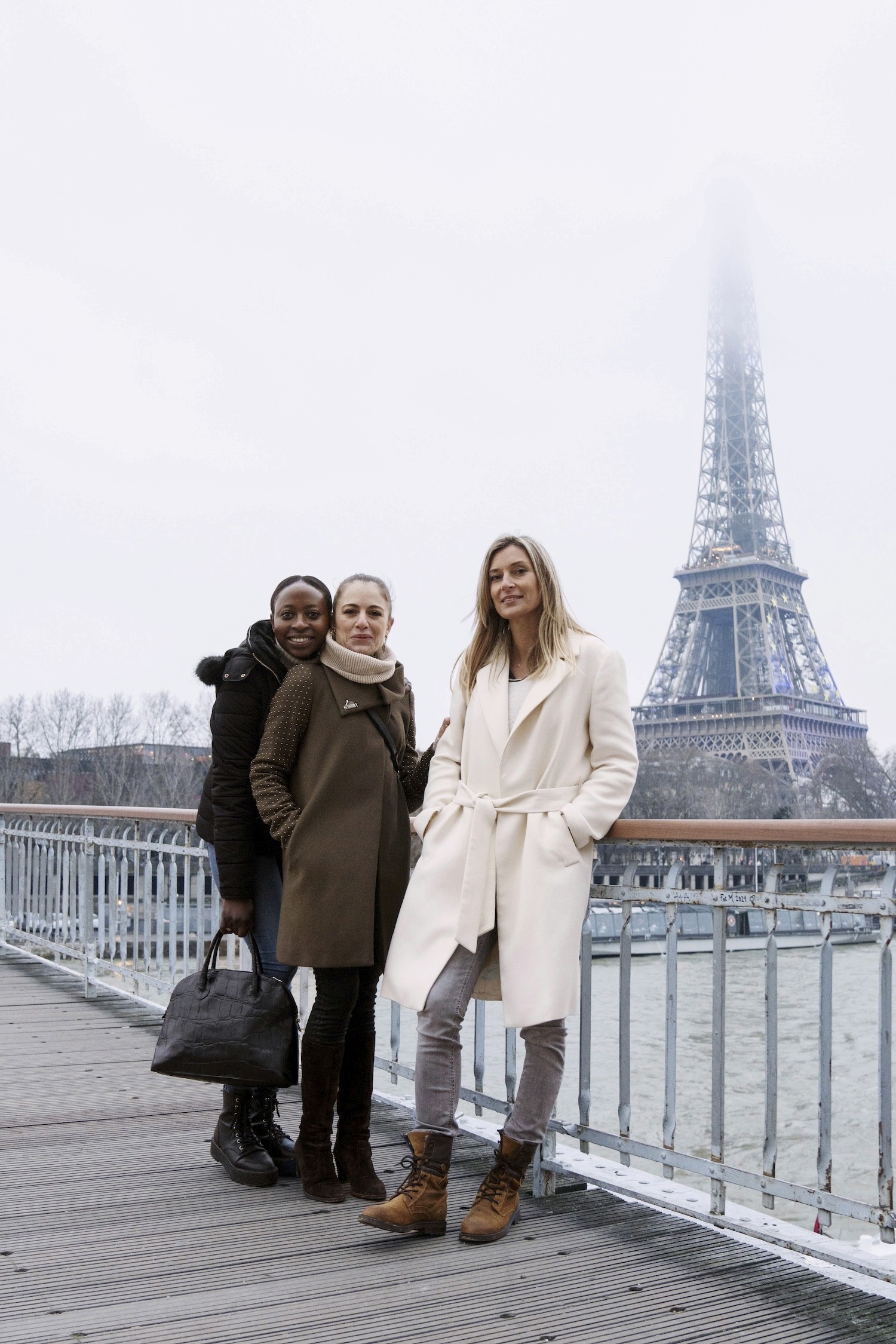
There’s a point, usually somewhere between the second museum and the third taxi of the day, when a trip starts to feel off.
You’re in Paris, or Rome, or somewhere you’ve wanted to see for years—but instead of enjoying it, you’re watching the clock. You’re thinking about what’s next, what you haven’t seen yet, whether you’re “on track.”
It doesn’t feel like travel. It feels like catching up.
And that’s exactly why more travelers in 2026 are starting to do the opposite.
They’re cutting their itineraries. On purpose.
The Mistake Most People Still Make
The instinct is understandable: if you’re coming to Europe, you want to see as much as possible.
So the plan becomes:
Paris for two days, Rome for two, maybe Barcelona if it fits.
On paper, it looks like a great trip.
In reality, it’s mostly movement:
packing, checking out, trains, flights, navigating, waiting.
By the time you arrive somewhere, you’re already thinking about leaving it.
What Changes When You Stay Longer
When you remove the constant movement, something shifts almost immediately.
Your days stop feeling compressed.
You’re not trying to “fit things in” anymore.
You start choosing what actually feels worth doing.
Instead of rushing through three museums, you spend a morning in one—and it’s enough.
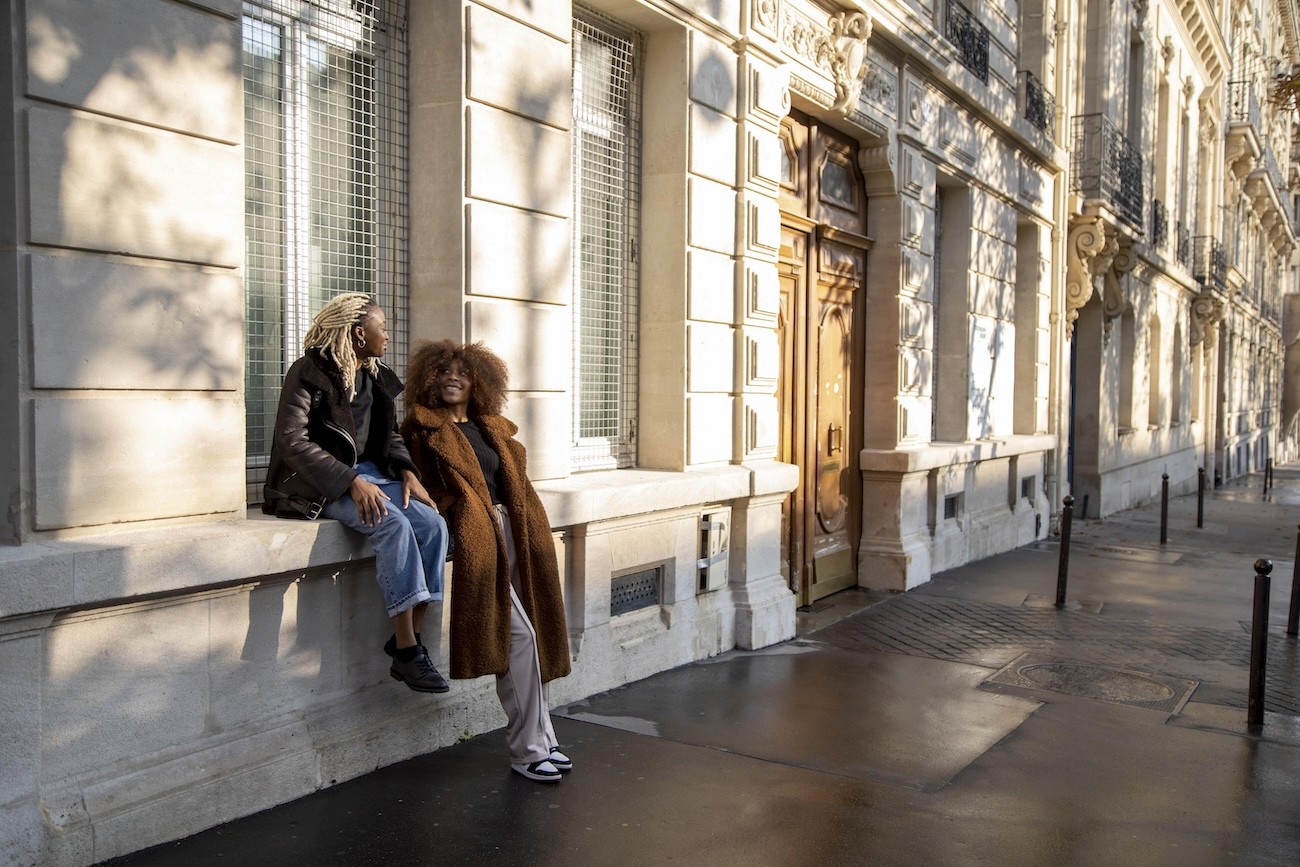
Instead of moving across the city all day, you stay in one area and let it unfold.
It’s not that you’re doing less.
You’re just not interrupting the experience every few hours.
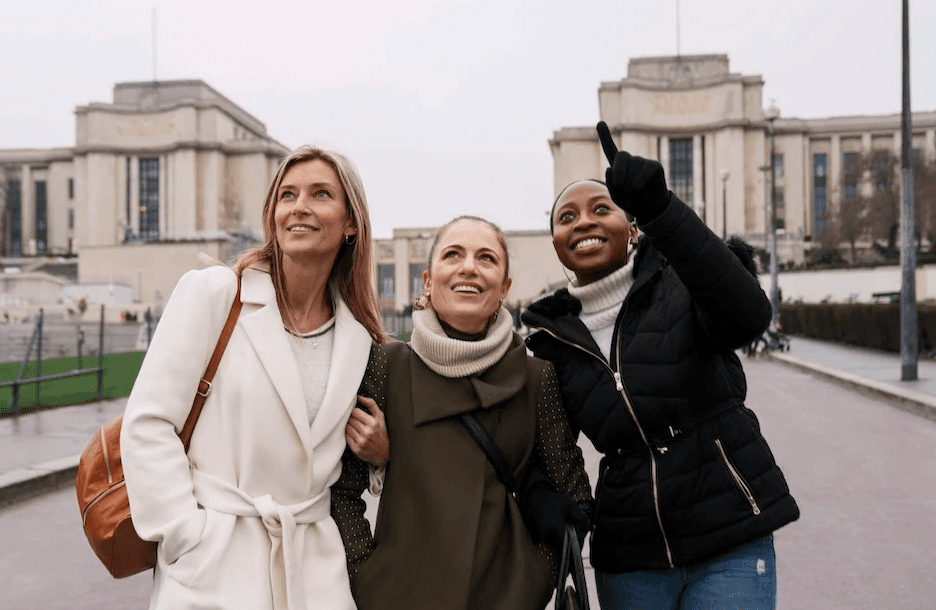
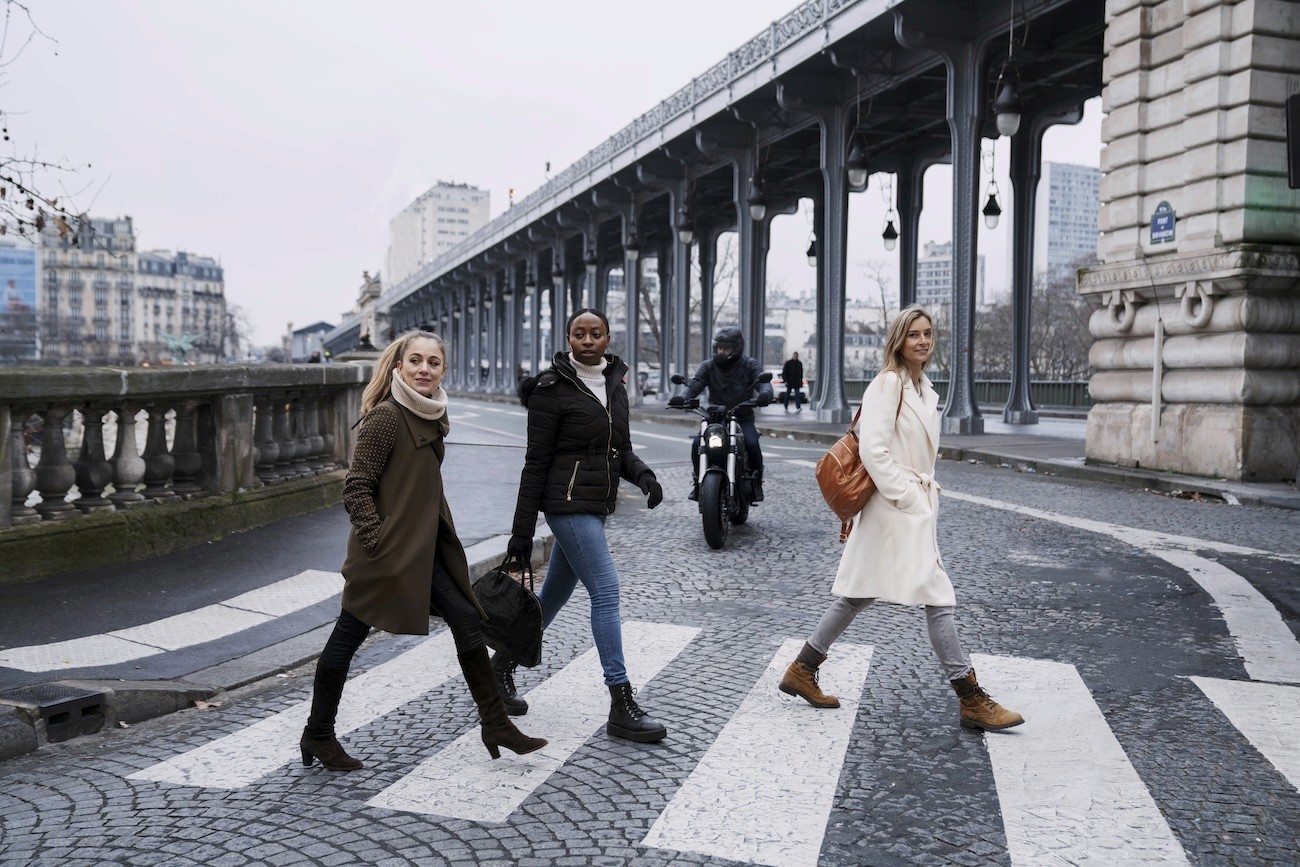
Paris Is a Good Example
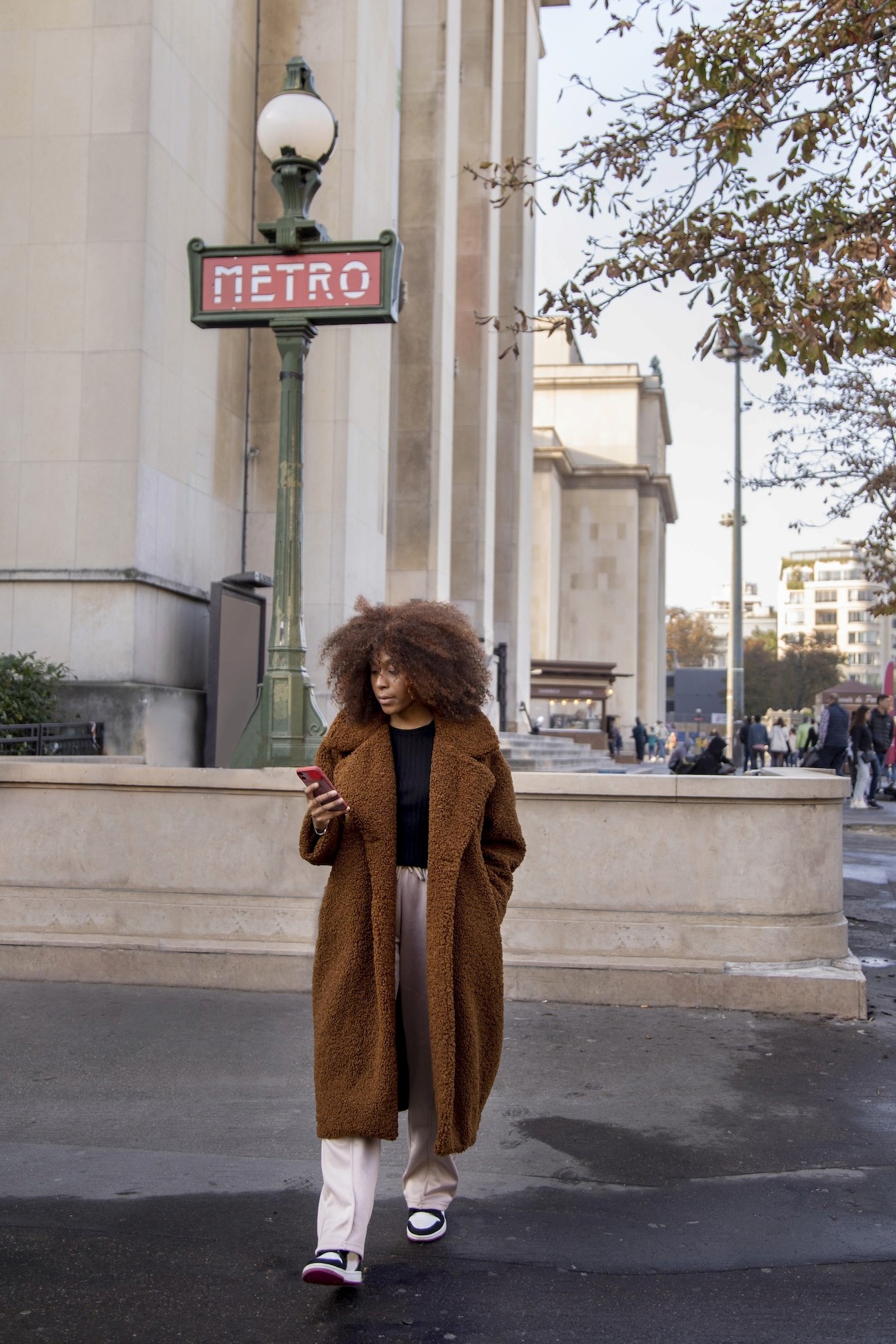
Most people approach Paris like a checklist:
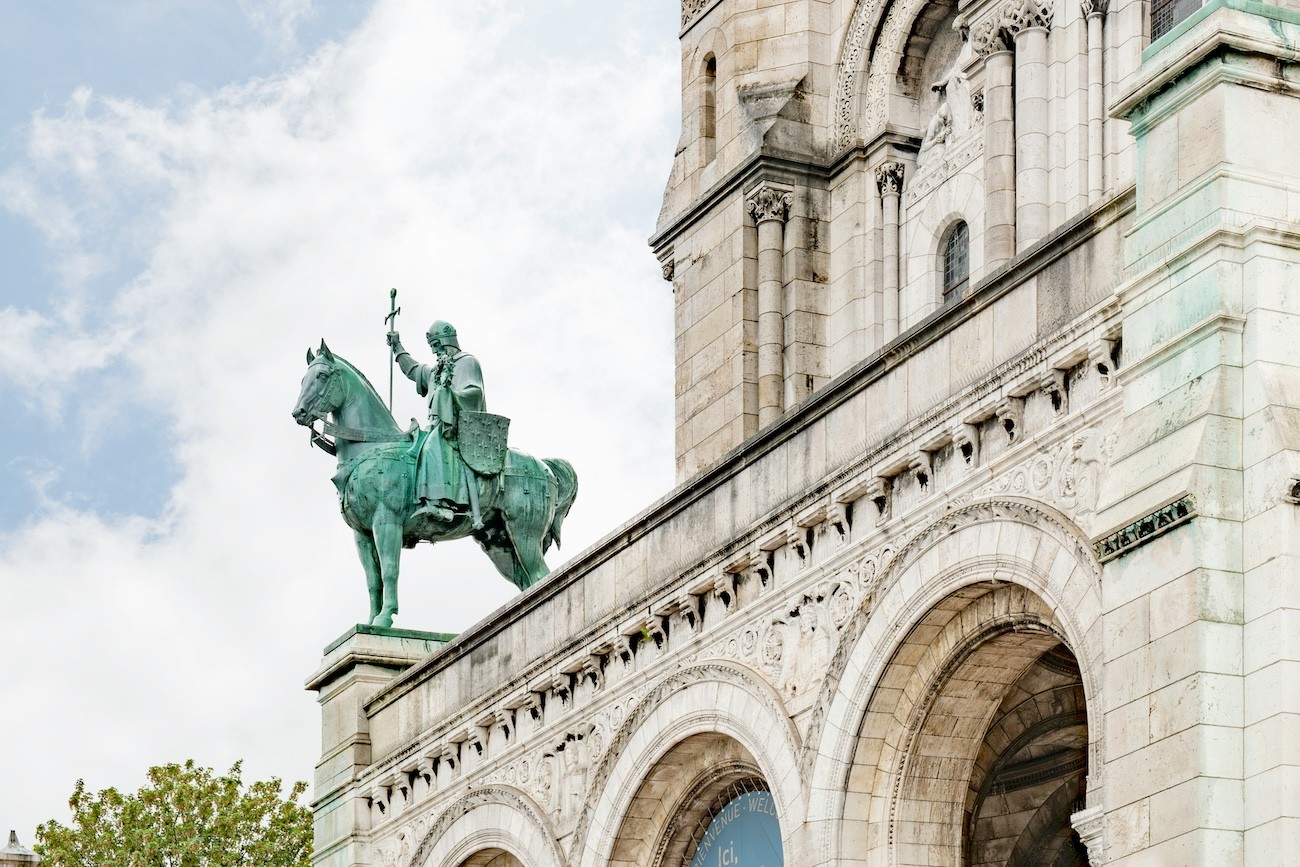
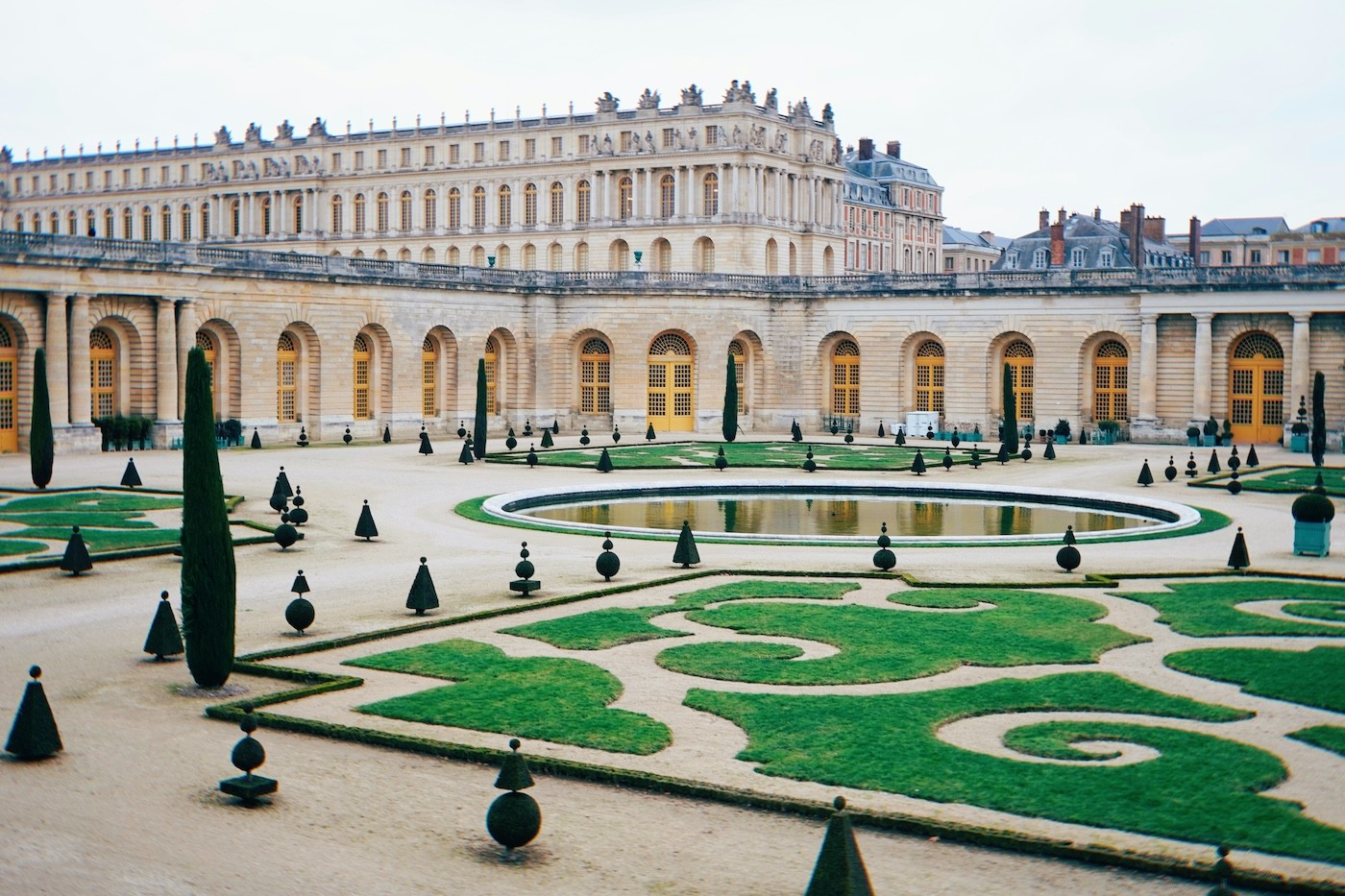
the Louvre, the Eiffel Tower, Montmartre, Versailles—often in two or three days.
It’s doable. But it’s not enjoyable.
A better version looks different:
one main plan in the morning, and space in the afternoon.
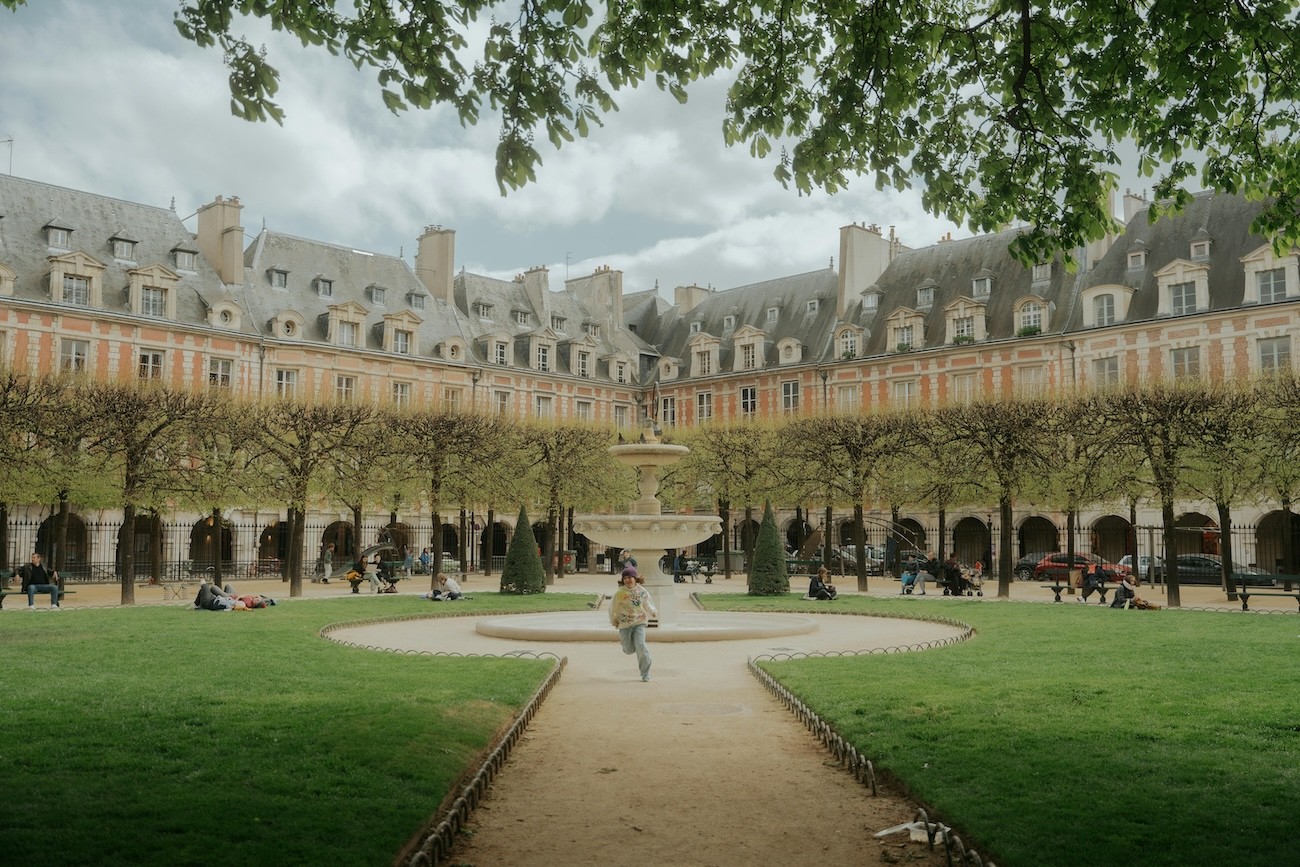
You walk more. You sit more. You notice more.
You go back to the same café because you liked it—not because it was “on the list.”
And without realizing it, the city starts to feel familiar.
Why This Matters More Now
Europe hasn’t become less beautiful—but it has become more crowded.
The usual approach—trying to see everything quickly—now comes with:
longer queues, more noise, less space.
So people are adapting.
Not by avoiding these places, but by changing how they move within them:
going earlier, staying longer, and not trying to do everything.
Where It Still Goes Wrong
Some travelers try to slow down, but keep the same mindset.
They’ll stay in one city—but still plan every hour.
That doesn’t solve the problem. It just concentrates it.
The real shift is simpler:
fewer plans, better choices.
A Better Way to Structure a Trip
If you want a trip that actually feels good while you’re in it:
Choose fewer places
Plan one important thing per day
Leave space around it
Don’t treat free time as wasted time
That last part matters more than it sounds.
Because those unplanned hours are usually where the trip becomes memorable.
What You’re Really Getting
When you travel this way, something changes.
You’re less tired.
You’re more present.
And you remember things more clearly.
Not just the landmarks—but the feeling of being there.
In the End
Europe doesn’t need to be rushed.
It never did.
And in 2026, the travelers who enjoy it the most aren’t the ones seeing the most.
They’re the ones who finally stopped trying to.